When Data Stops
Matching Reality
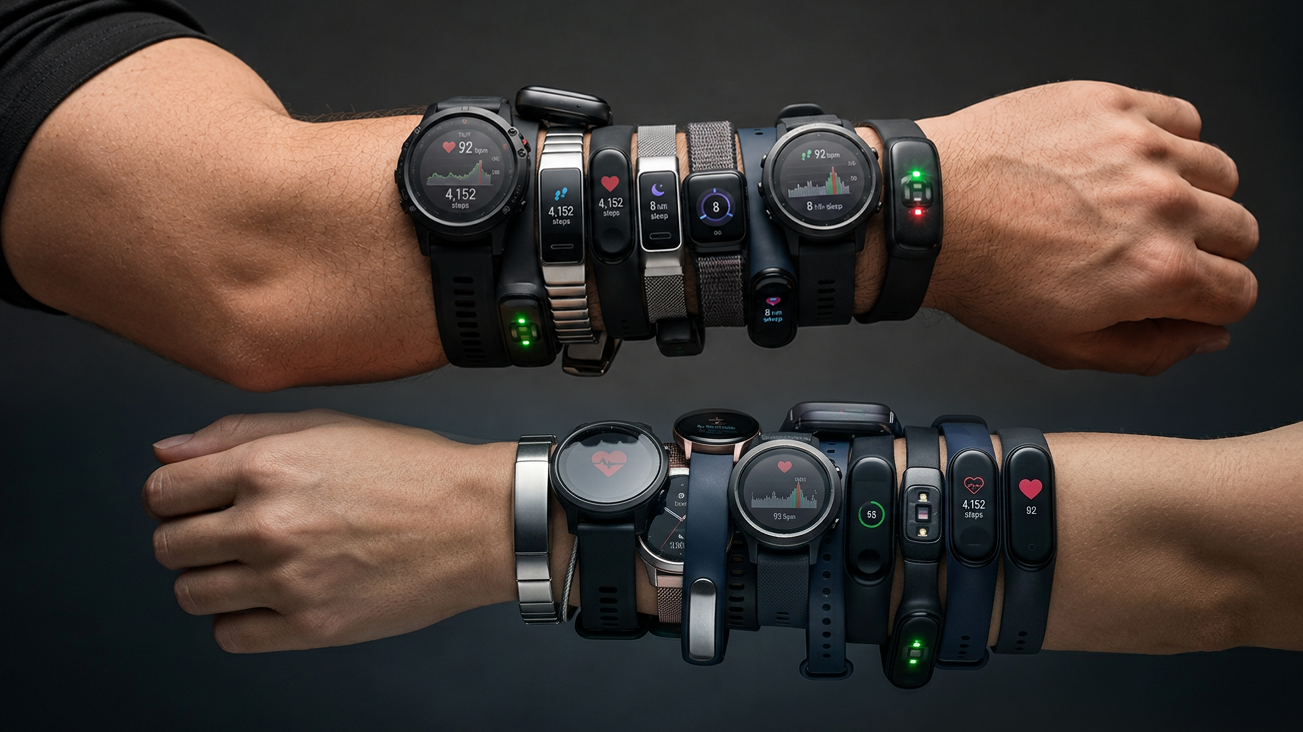
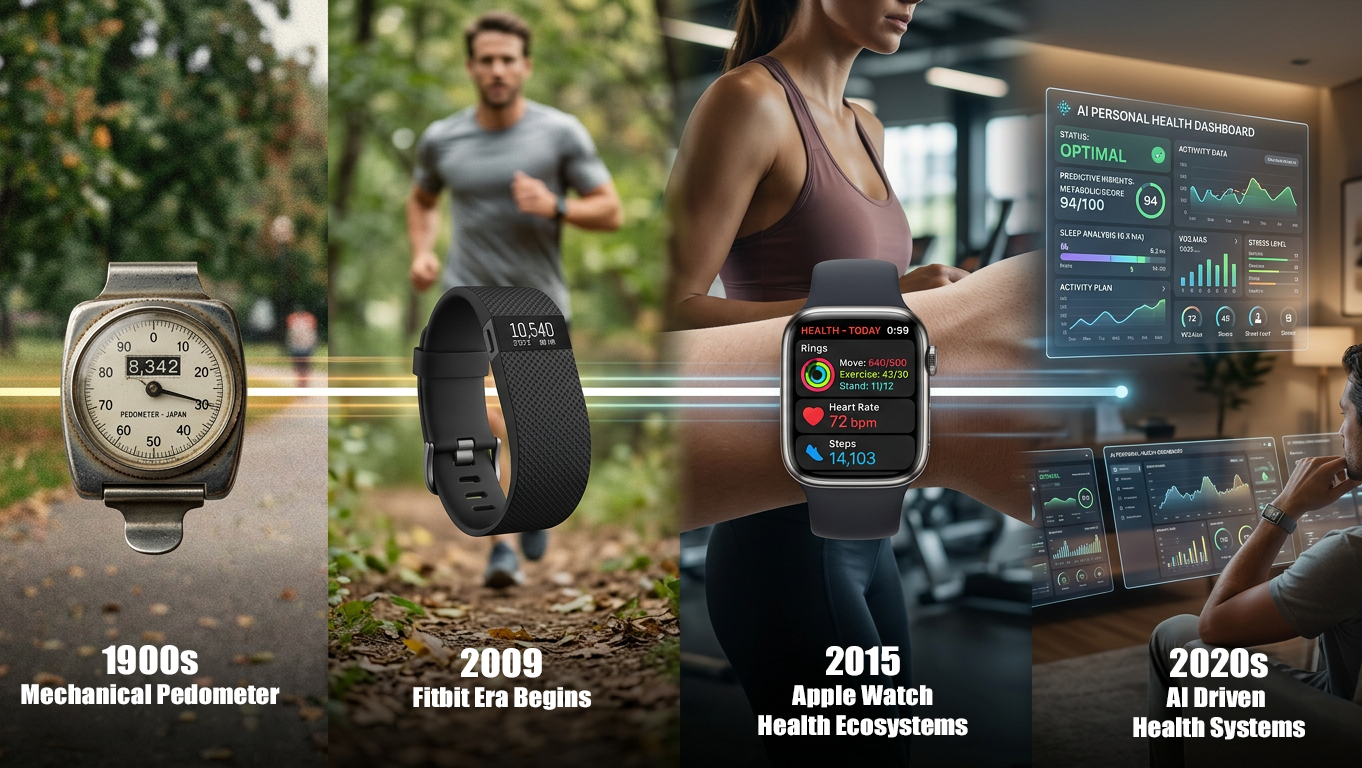
This AI generated video visualizes the moment when wearable health data begins to compete with lived experience, personal judgment, and real progress.
The most important issue is not whether wearable technology is useful. It is. The problem begins when users treat wearable data as more accurate than lived experience or professional judgment. From my experience working with fitness programs, diet guidance, and people trying to understand their progress, I have seen how easy it is for someone to trust a calorie estimate, recovery score, or activity number without questioning the context behind it.
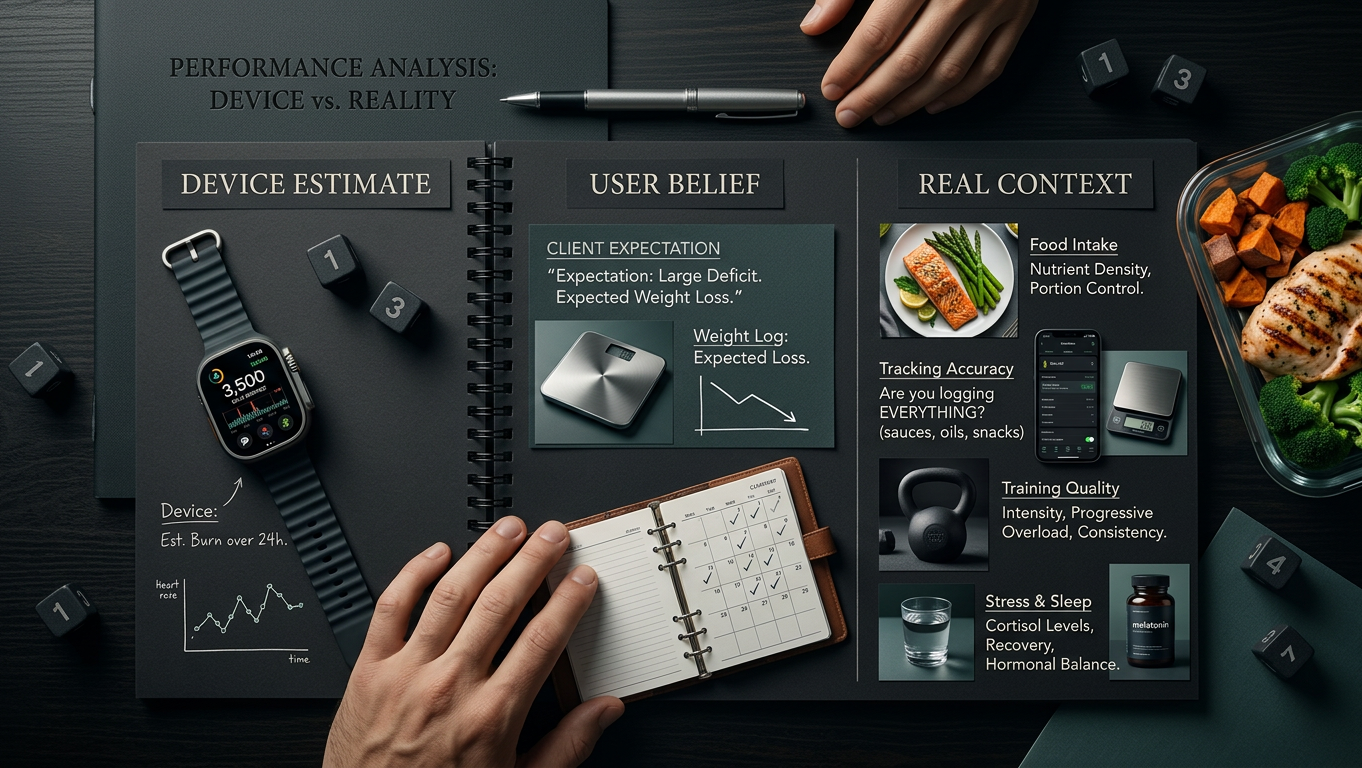
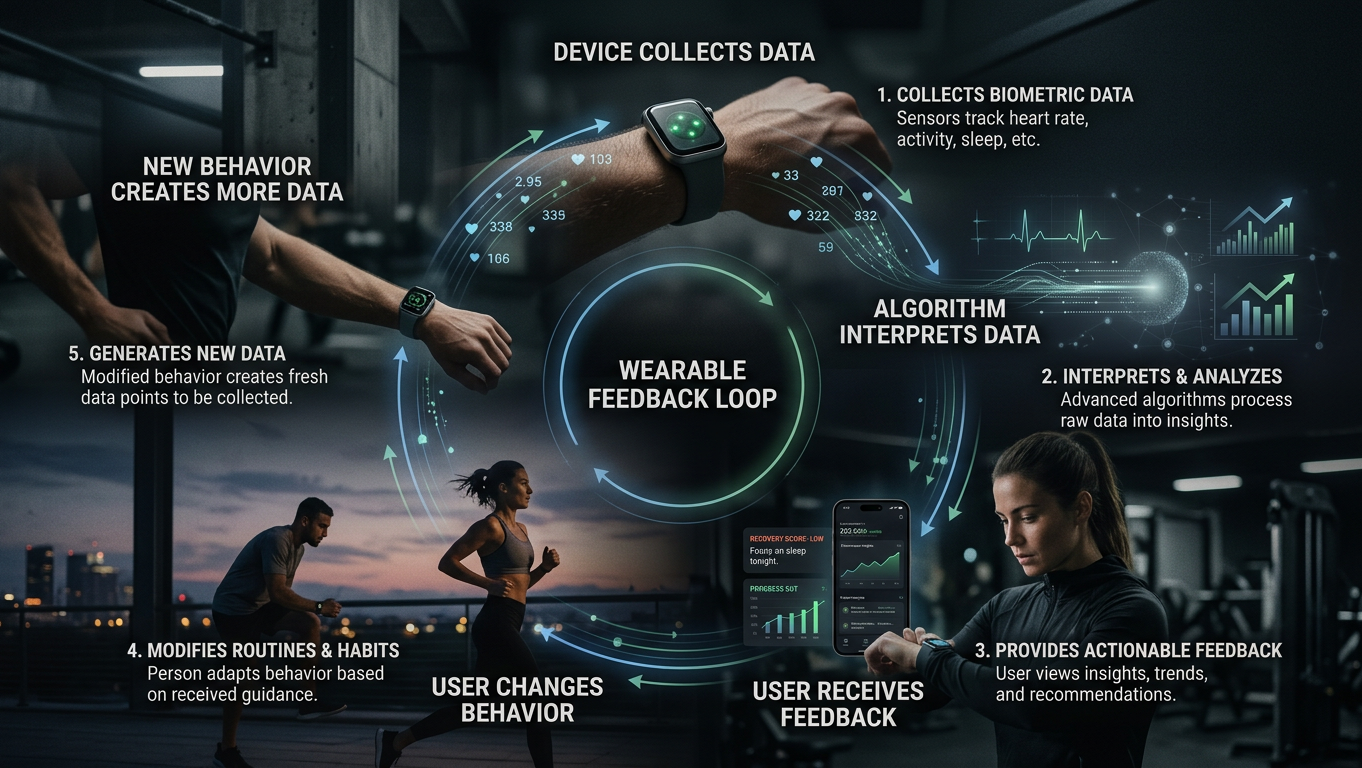
A watch can estimate calories, stress, sleep, activity, or fitness trends, but those numbers are still shaped by sensors, algorithms, averages, and assumptions. When people over trust those numbers, they may believe a plan is working when it is not, or feel discouraged when the data does not match their effort. This is where wearable technology becomes more than a tool. It becomes a media system that shapes how people interpret their own bodies.
For fitness and health, this matters because progress is rarely explained by one number. Weight, energy, strength, stress, sleep, food intake, training quality, and consistency all interact. Wearable data can help users notice patterns, but it can also create a false sense of certainty when the device presents estimates as clean, confident feedback. The danger is not the data itself. The danger is forgetting that data still needs human judgment.
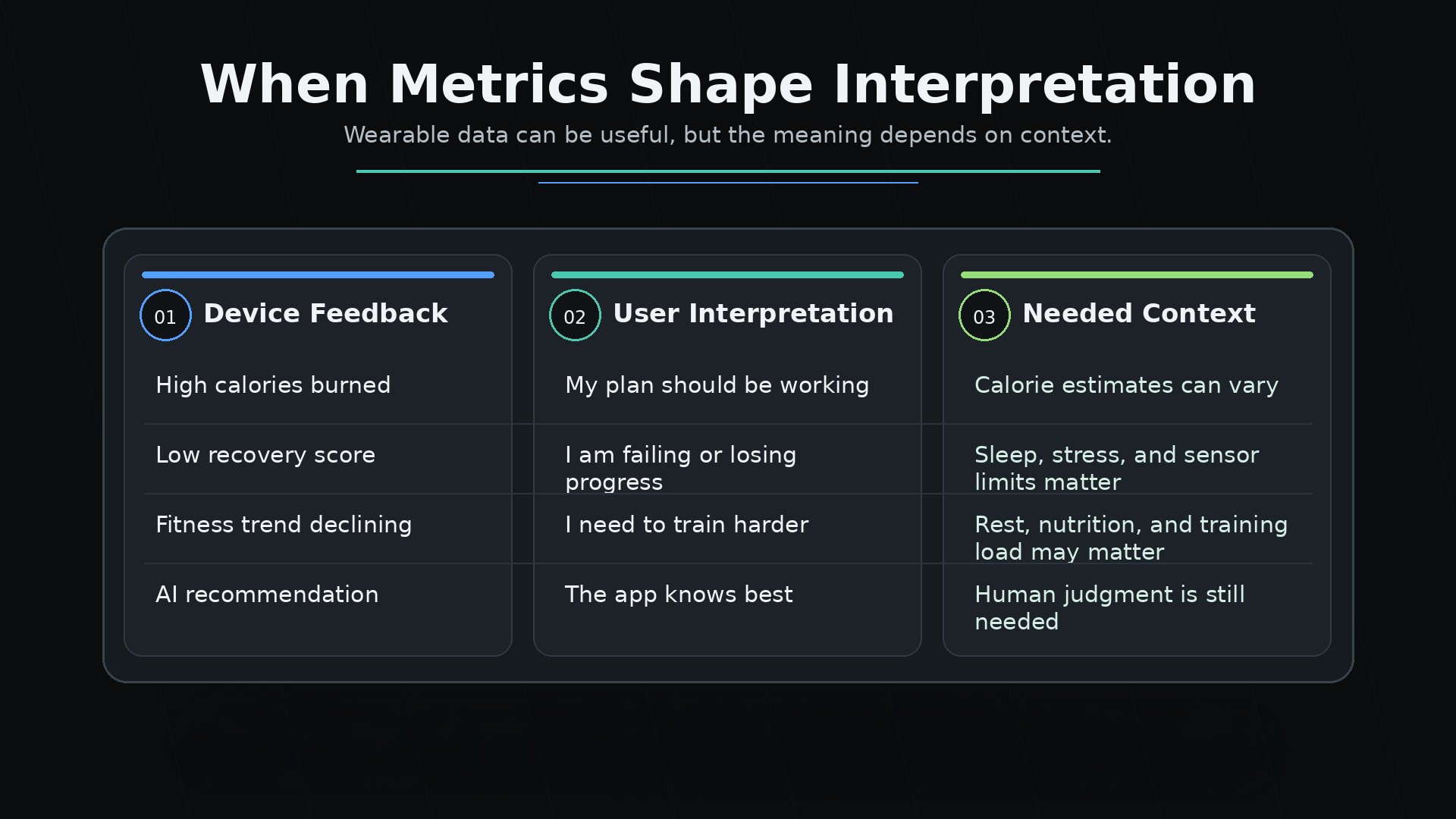
A wearable number is a starting point, not the whole story. Health data becomes useful when it is read with judgement, context, and lived experience.