Wearable Tech
How biometric data shapes health and perception, fitness culture, and trust
Part of a research project exploring digital media and perception.
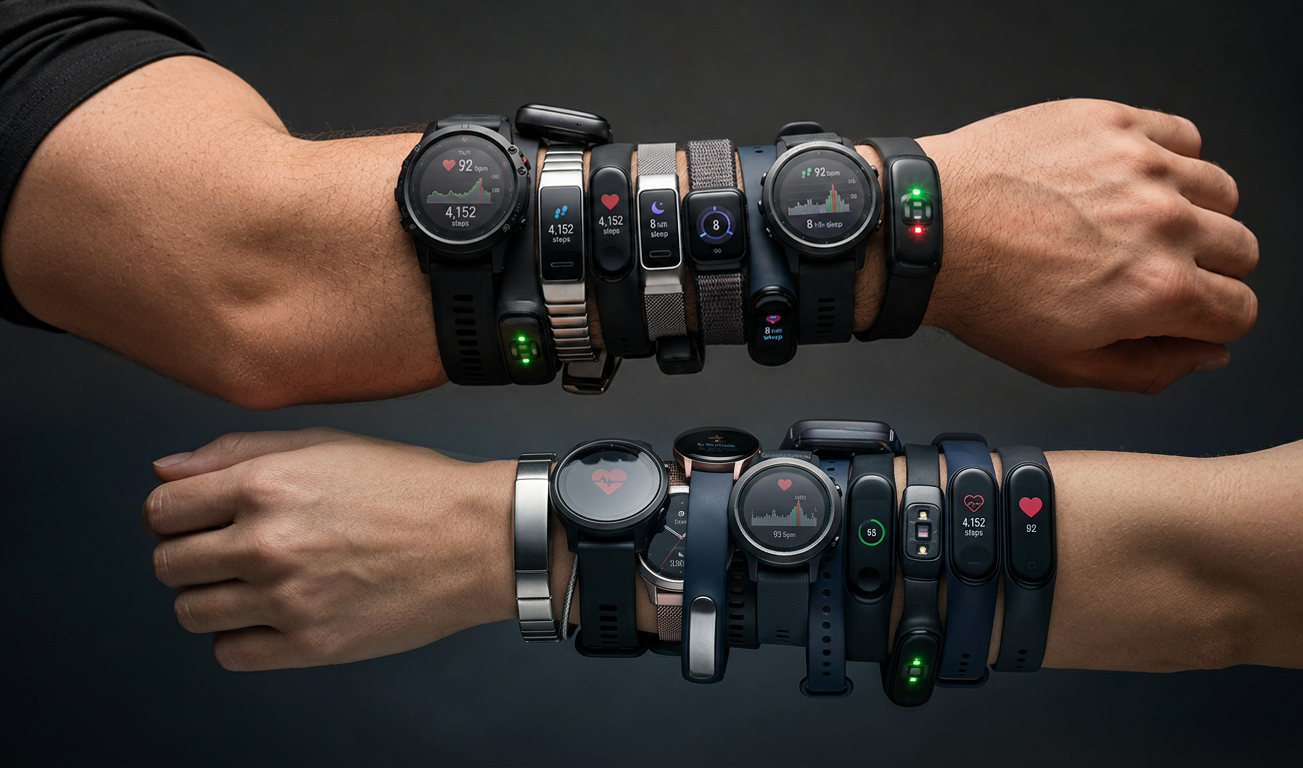
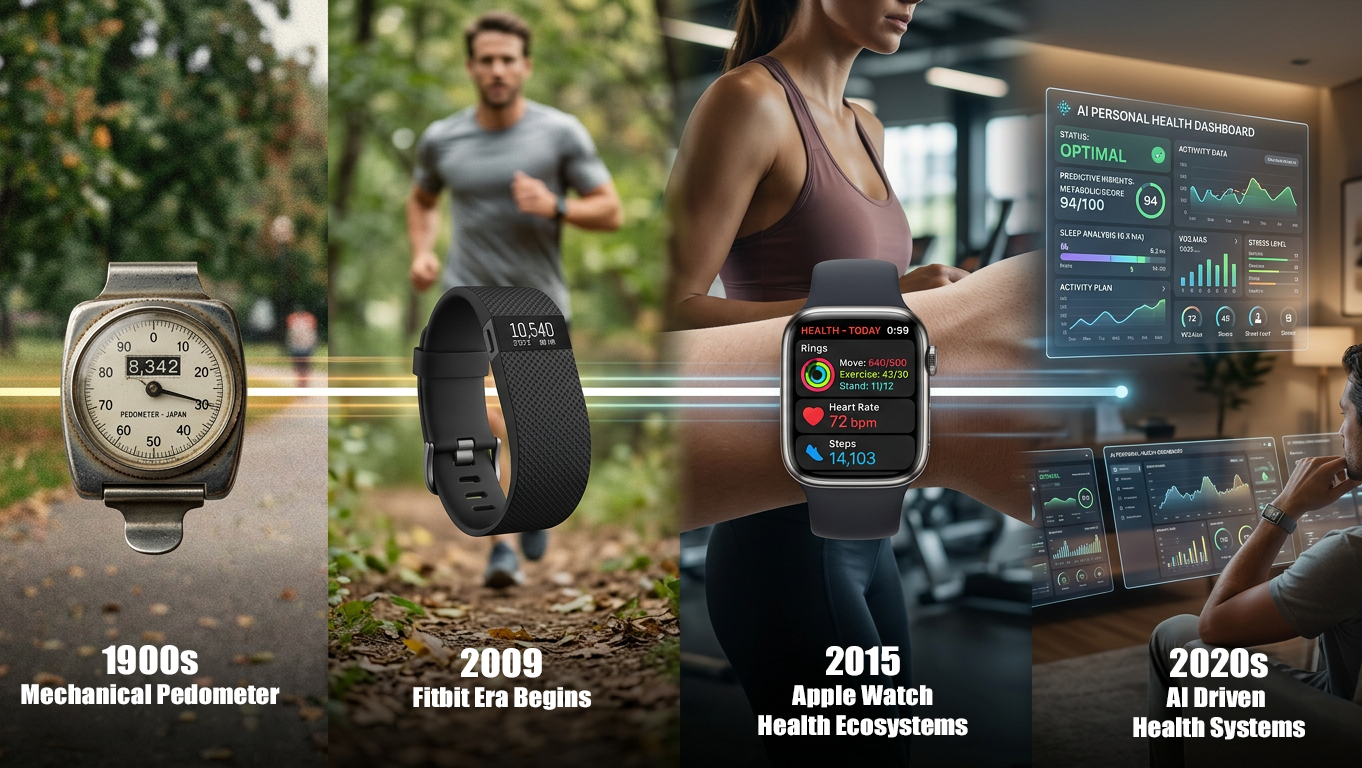
Wearable devices have moved from simple tools to constant biometric companions, creating a visual sense of health data saturation.
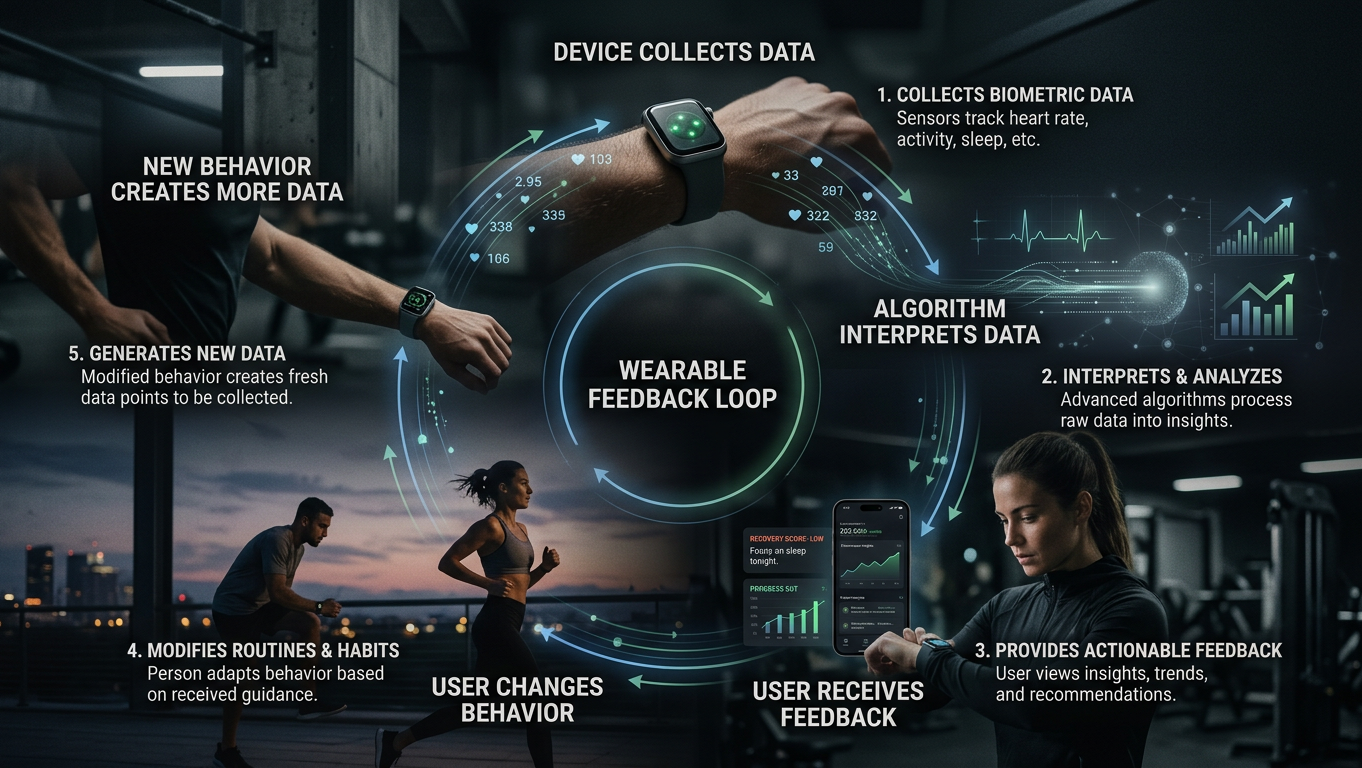
Wearable technology has changed how we understand and experience our own health. Devices that track heart rate, sleep, movement, and recovery now shape daily decisions in real time. At the same time, these metrics do more than inform. They influence how we define what is healthy, normal, and even real.
This project explores how wearable technology shapes perception through data driven feedback, social media culture, and AI assisted health systems. Drawing from research, curated media, and personal experience, the focus is on how digital metrics can both empower users and quietly redefine their understanding of well being.
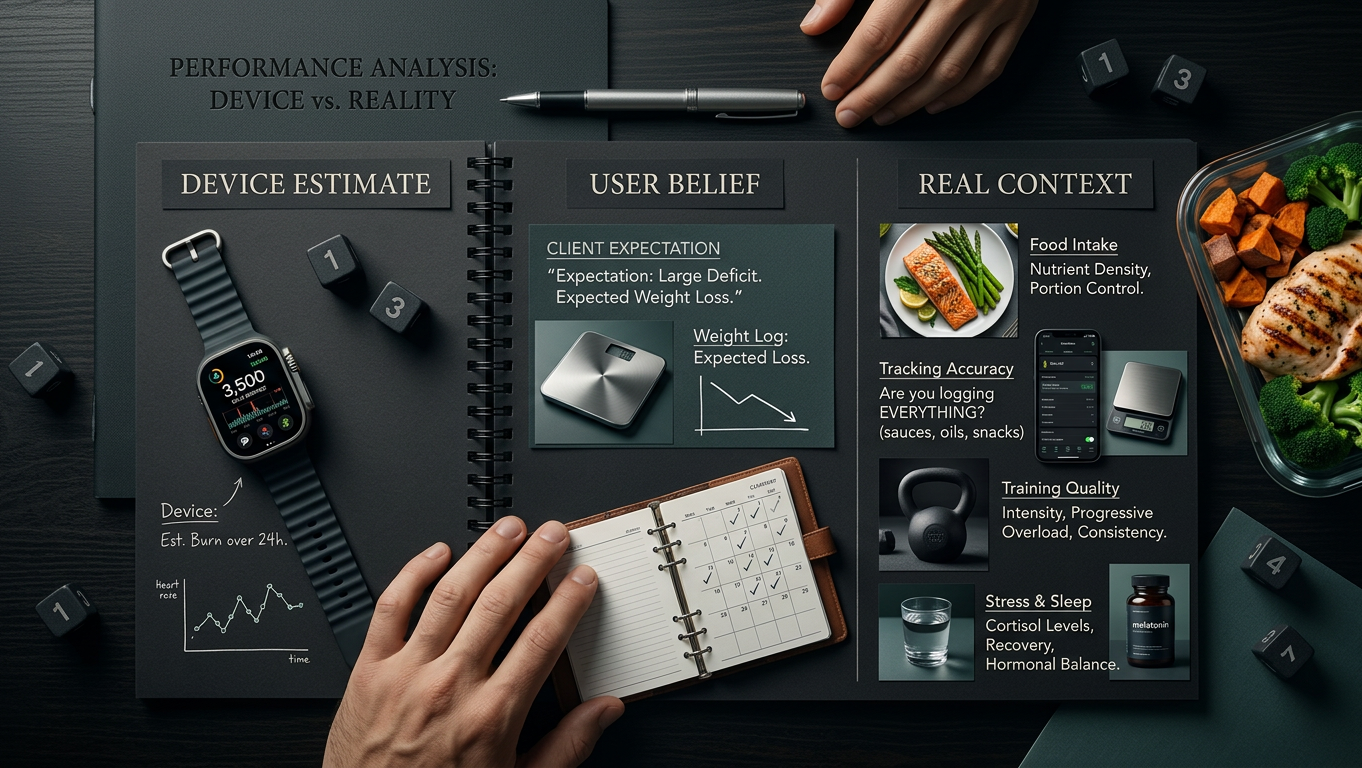
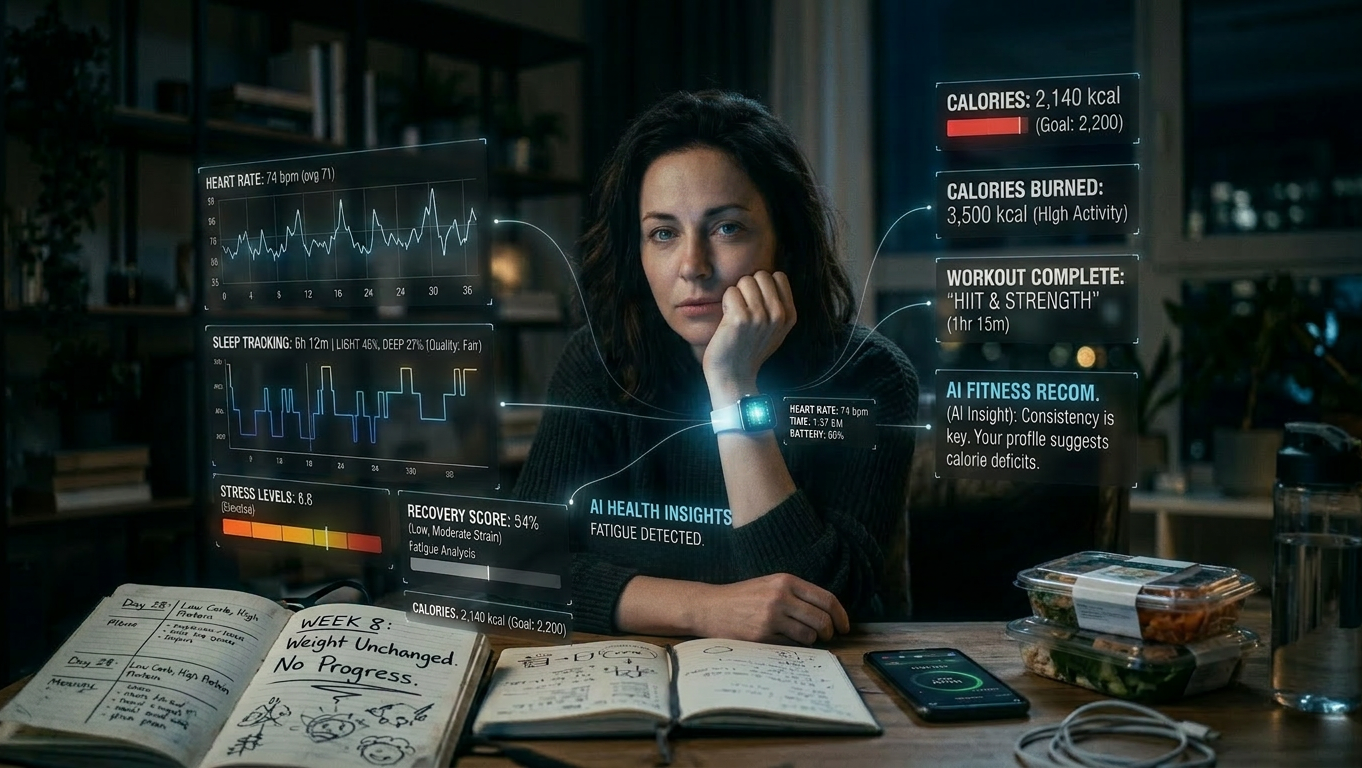
As someone who has worked in visual communication and fitness coaching, I am interested in how people learn to trust what they see, measure, and feel. Wearable technology sits directly between those worlds. It turns the body into visual feedback, numbers, charts, alerts, and scores. For people trying to improve their health, those metrics can be useful, but they can also create confusion when the data does not match real progress.