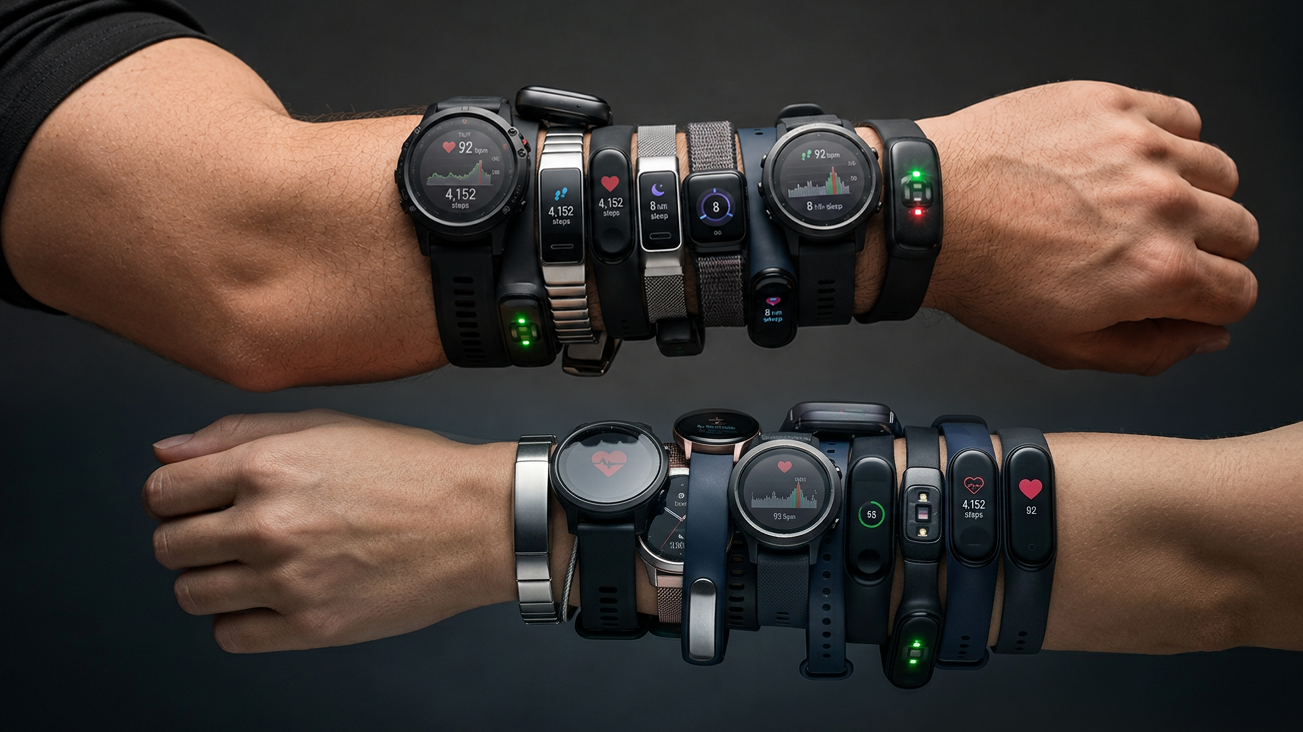
The Wearable Feedback Loop
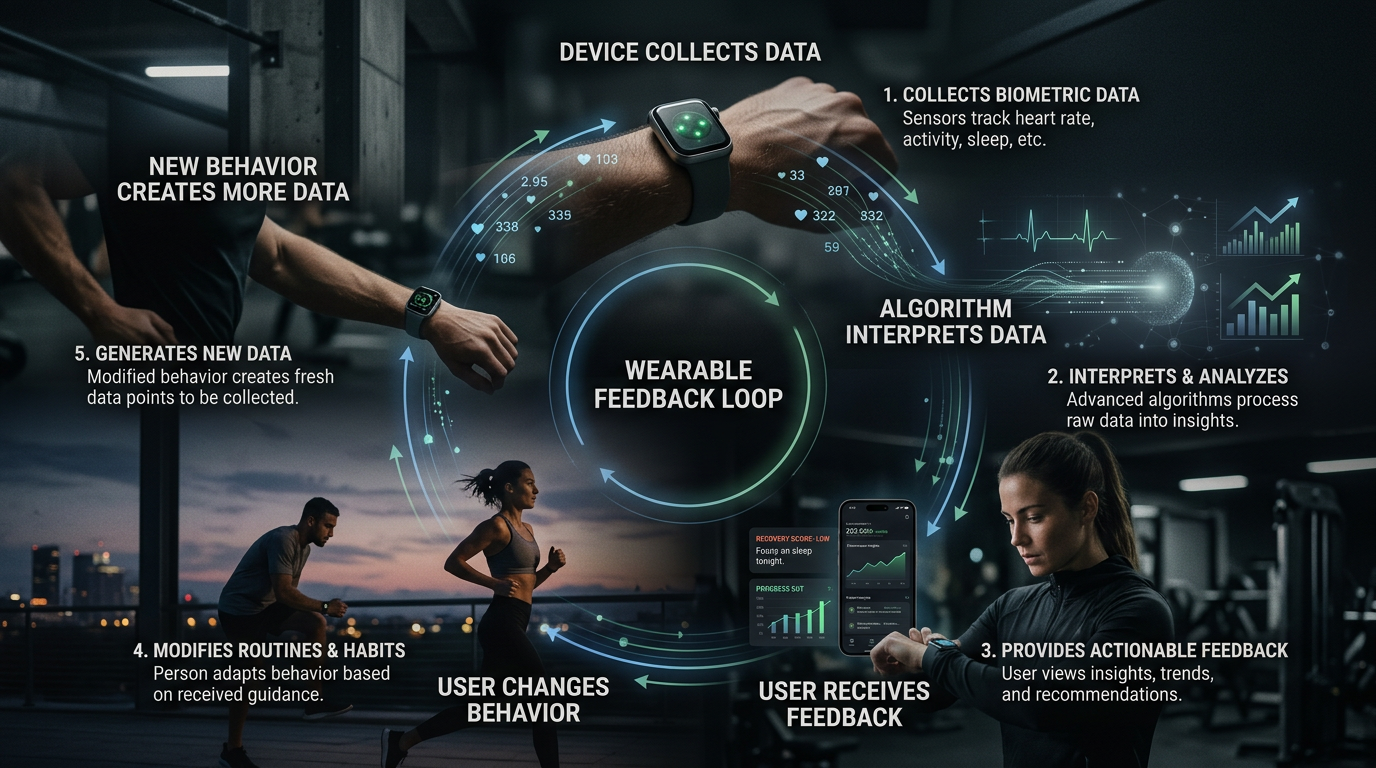
Wearable devices do not only measure behavior. They can shape behavior by turning data into feedback, feedback into decisions, and decisions into more data.
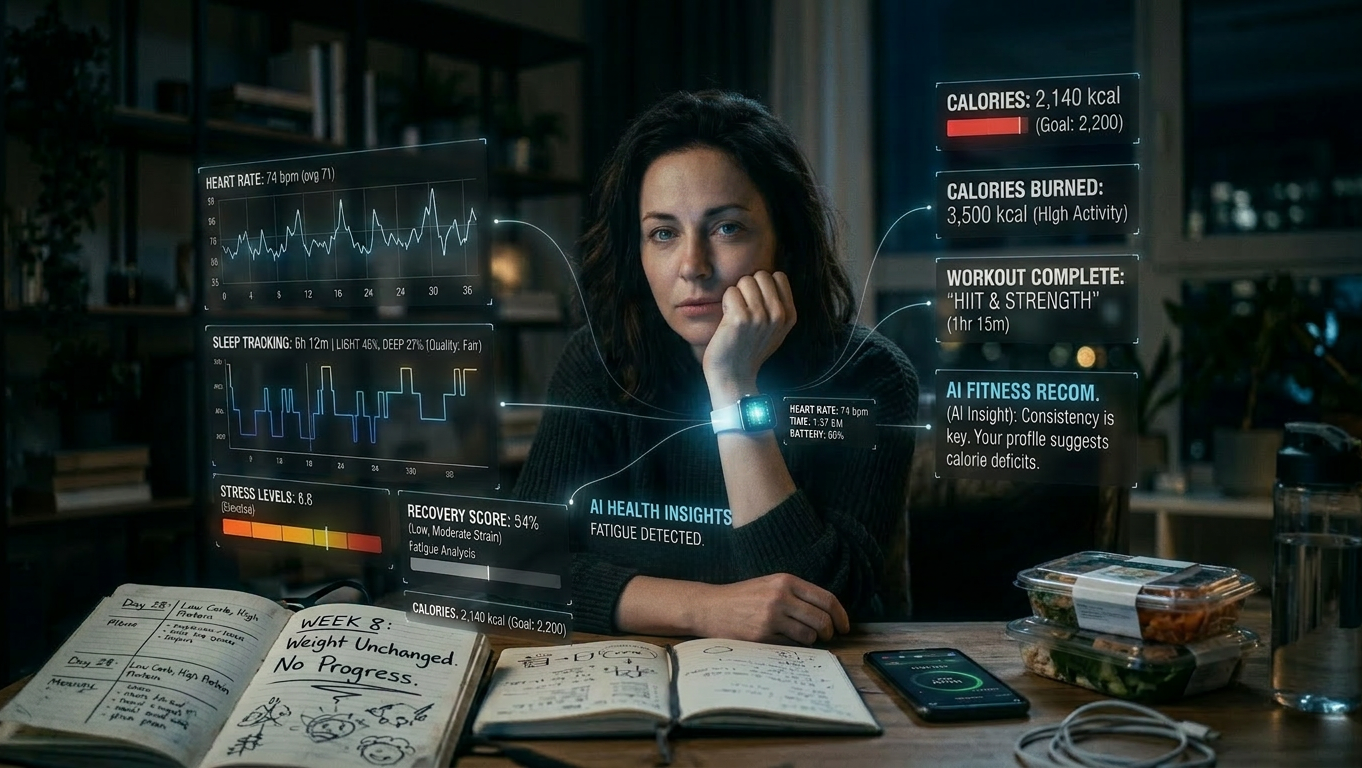
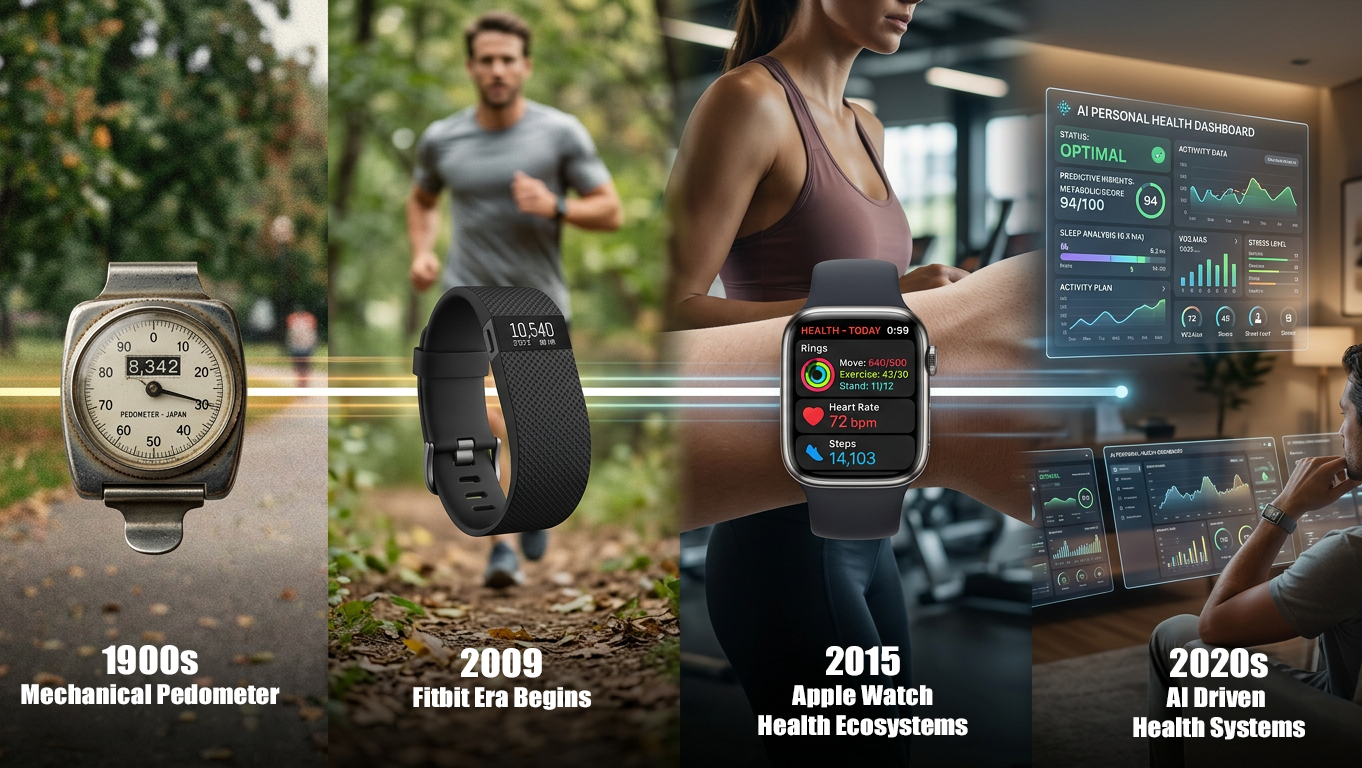
Wearable technology works through a constant feedback loop. First, the device collects biometric and behavioral data, such as steps, heart rate, sleep, calories, and workout activity. Then, an algorithm interprets that data and turns it into scores, charts, alerts, or recommendations. The user receives that feedback and often changes behavior based on what the device says. That new behavior creates more data, which the device then measures again.
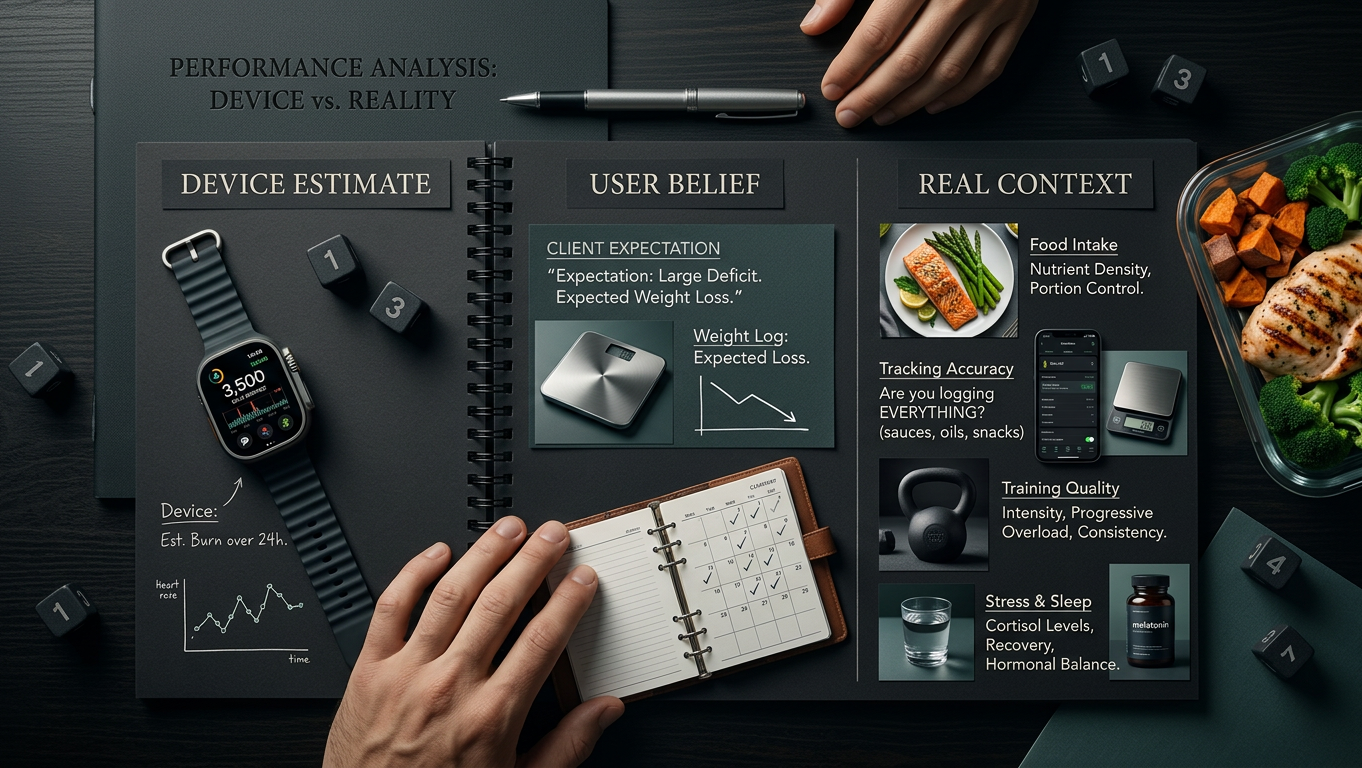
This loop is important because it shows why wearable technology should be understood as media, not only as fitness equipment. The device does not simply report what happened. It helps decide what information is emphasized, what is ignored, and what the user is encouraged to do next. Over time, this can shape how people define progress, discipline, health, and failure.
When this loop is used responsibly, it can help people build better habits and notice patterns they might otherwise miss. But when the loop is trusted without context, it can create confusion. The user may begin to follow the score instead of understanding the full situation. That is why wearable data should be treated as a guide, not as the final authority.